eCAP preclinical testing confirms robust Bluetooth transmission and full-system performance
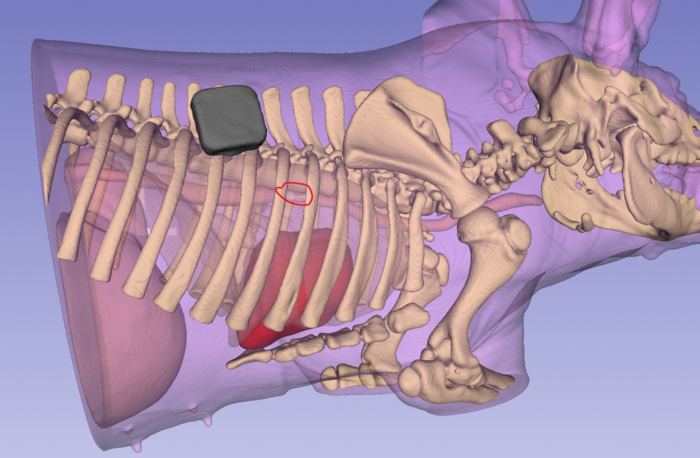
The project reached a major milestone last month as partners successfully completed a comprehensive preclinical study at IHU, evaluating the full end‑to‑end eCAP system in a large‑animal model. The test covered every component: the implantable eCAP capsule, the implantation device, the BlueLink patch (BLE hub), the smartphone application, and the cloud‑based eHealth Platform.
Reliable data transmission demonstrated in operating‑room conditions
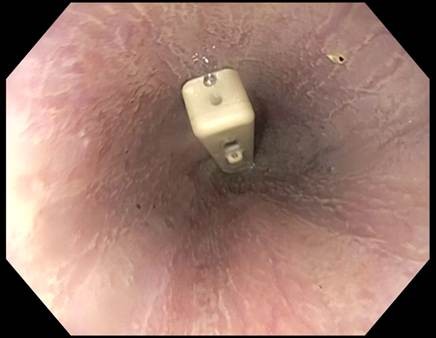
The eCAP capsule, co-developed by Tyndall National Institute and Sentron, exceeded its predefined ex‑vivo communication targets by successfully transmitting sensor data via Bluetooth during operating‑room testing. Data streams including pH measurements, temperature readings, and accelerometer signals, were captured by the attached capsule, relayed to the BlueLink device developed by RDS, and transferred seamlessly through the smartphone app to the eHealth cloud platform.
This confirms that the communication chain across all system elements performs reliably in realistic preclinical conditions.
Attachment procedure aligns with clinical practice
Placement of the eCAP capsule was consistent with established clinical workflows. Minor refinements to improve capsule‑to‑delivery‑device separation (developed by Sentron) have been identified and will be validated in a final preclinical study.
A strong foundation for first‑in‑human trials
Overall, the study validated the system’s core architecture, communication performance, and clinical usability. The targeted design optimisations identified during testing are already underway, keeping the consortium on track for its first‑in‑human study later this year.